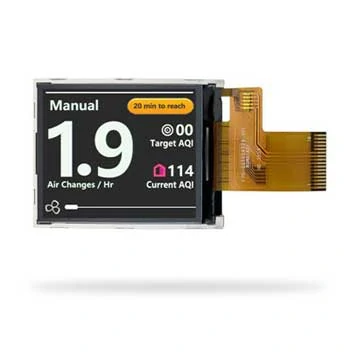
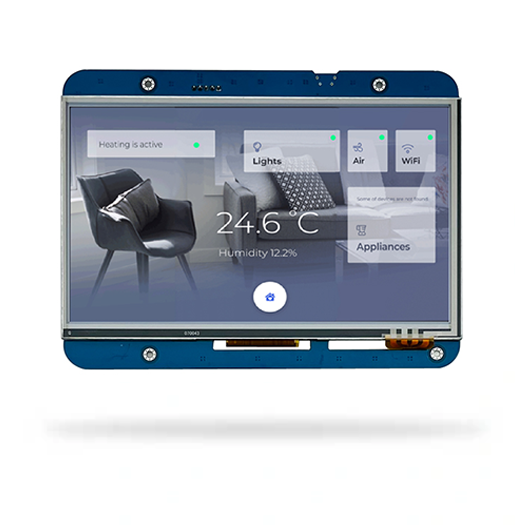
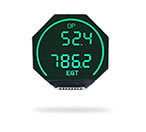
Sinocrystal provide LCD display modules ranging from 0.85-inch to 32-inch, including ultra-small embedded displays, standard TFT modules, touch displays, industrial screens, and large commercial panels.
Yes. Sinocrystal supply both standard off-the-shelf LCD modules and fully customized display solutions based on customer requirements.
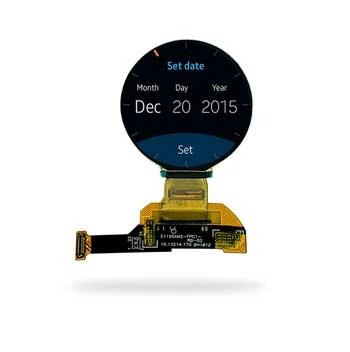
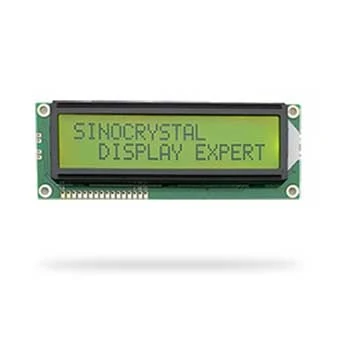
Sinocrystal offer TFT LCD, IPS LCD, TN LCD, round LCD, bar type LCD, square LCD, sunlight-readable displays, and touch-integrated display modules.
IPS displays provide wider viewing angles and better color performance, while TN displays are more cost-effective and offer faster response times for basic applications.
Sinocrystal support SPI, RGB, MCU, MIPI DSI, LVDS, HDMI, VGA, USB, and eDP interfaces for different embedded and industrial applications.
SPI is commonly used for small low-power displays, while RGB and MIPI are preferred for higher-resolution embedded TFT LCDs.
Yes. Many of our displays support STM32, ESP32, Raspberry Pi, Linux boards, and other embedded systems.
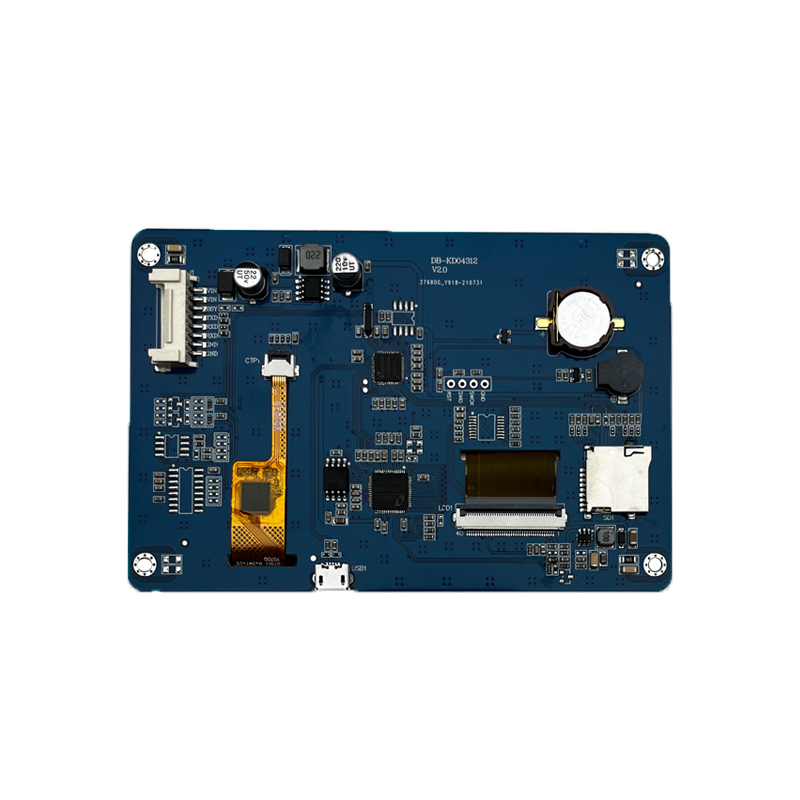
Yes. Sinocrystal provide customized PCBA driver boards, interface conversion boards, and complete display control solutions.
Yes. Through customized driver boards, interfaces such as RGB, LVDS, MIPI, HDMI, and SPI can be converted based on project requirements.
Yes. Sinocrystal provide capacitive touch panels (CTP) and resistive touch panels (RTP) for various display sizes.
Sinocrystal support multi-touch capacitive touch, single-touch resistive touch.
Yes. Both optical bonding and air bonding we can support.
Yes. Sinocrystal can customize cover glass shape, thickness, logo printing, surface treatment, and touch sensitivity.
Yes. Industrial-grade LCD modules are designed for long working hours, vibration resistance, and harsh operating environments.
Standard industrial displays typically support -20°C to 70°C, while wide-temperature versions can reach -40°C to 85°C.
Yes. Sinocrystal provide high-brightness LCDs ranging from 800 to 1500 nits for sunlight-readable applications.
Outdoor visibility can be improved through high brightness backlight, anti-glare coating, optical bonding, and anti-reflection treatment.
Yes. Industrial display solutions can be optimized for EMI resistance, especially when using LVDS or MIPI interfaces.
Yes. Sinocrystal support display customization including size, resolution, interface, brightness, FPC design, and mechanical structure.
Yes. Sinocrystal provide plastic housings, metal enclosures, waterproof structures, mounting brackets, and industrial mechanical integration.
Yes. Sinocrystal support complete ODM/OEM services including LCD modules, touch panels, driver boards, firmware, and full assembly.
Yes. Our engineering team can provide firmware development and display initialization support.
Yes. Pin assignment and FPC structure customization are available for project compatibility requirements.
Yes. Samples are available for evaluation and hardware verification before mass production.
MOQ depends on the product model. Some standard modules have low MOQ requirements for prototype projects.
Standard modules usually ship within several working days, while customized projects typically require 4--7 weeks depending on complexity.
Yes. Expedited production and engineering support may be available for urgent development schedules.
Standard TFT LCD backlight lifetime typically ranges from 20,000 to 50,000 hours depending on brightness and operating conditions.
Yes. Sinocrystal provide datasheets, initialization code, debugging assistance, and engineering support throughout the project.
Yes. Our engineering team can assist with signal debugging, timing adjustment, EMI optimization, and interface compatibility problems.
Yes. Industrial LCD solutions are designed for long-term 24/7 operation in industrial and commercial systems.
Depending on the product, displays may support RoHS, REACH, CE, or other industry-related compliance requirements.
In many cases, we can provide pin-compatible or mechanically compatible replacement solutions.
Our engineering team can recommend suitable display solutions based on size, interface, resolution, brightness, operating environment, and project budget.